How to Prepare Your Florida Pool for Summer: The Complete Homeowner’s Guide
Why Proper Pool Opening Matters in Florida
In Florida, pool season never truly ends, but as temperatures rise and backyard gatherings become more frequent, spring is the perfect time to fully prepare your pool for heavy summer use. Proper pool opening and seasonal maintenance help protect your investment, improve water quality, and ensure your pool stays clean, safe, and swim-ready all season long.
At Johnson Pools Inc., we understand that Florida pools face unique challenges, including intense heat, frequent rainstorms, algae growth, and year-round exposure to sunlight. Taking the time to properly open and maintain your pool can prevent costly repairs and keep your backyard oasis looking its best.
Whether you own a vinyl liner pool, gunite pool, or above-ground pool, this guide covers everything Florida homeowners need to know about preparing their pool for summer.
Pool Opening Supplies Checklist
Step 1: Remove and Clean the Pool Cover
If your pool has been covered, start by removing leaves, standing water, and debris from the top of the cover before taking it off. This prevents dirt and contaminants from falling directly into the pool.
Once removed:
- Rinse the cover thoroughly
- Use a mild cleaner if needed
- Allow it to fully dry
- Store it in a cool, dry area away from sunlight and pests
Proper storage helps extend the life of your pool cover and keeps it ready for future use.
Step 2: Inspect the Pool Structure
Before restarting your equipment, inspect the entire pool carefully for signs of wear or damage.
Look for:
- Vinyl liner tears or wrinkles
- Cracks in pool surfaces
- Loose coping or tiles
- Damaged ladders or railings
- Waterline staining
- Signs of leaks
- Decking damage
Florida’s heat and frequent storms can accelerate wear on pool materials, especially vinyl liners and pool decking. Identifying problems early can help prevent larger structural issues later in the season.
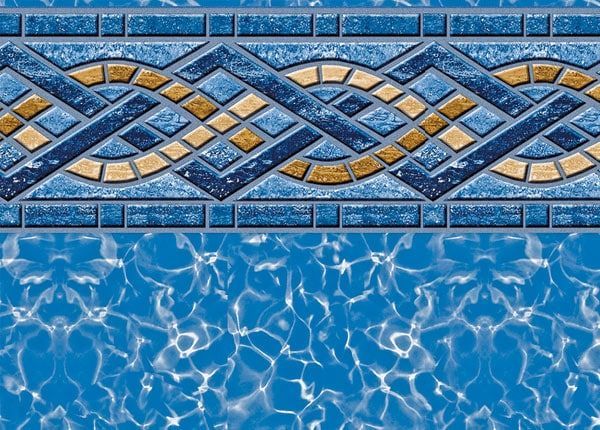
If you notice fading, cracking, or leaks in your vinyl liner, professional replacement may be necessary to avoid further damage.
Step 3: Reconnect and Inspect Pool Equipment
Your pool equipment system is the heart of your pool’s circulation and sanitation process. Before turning anything on, inspect all components carefully.
Key Equipment to Check:
Pool Pump
- Check for leaks
- Ensure the motor runs smoothly
- Prime the pump if necessary
Pool Filter
- Clean or replace cartridges
- Backwash sand or DE filters
- Inspect for cracks or worn seals
Pool Heater
- Test functionality
- Inspect gas lines or electrical connections
Chlorinator or Salt System
- Clean buildup
- Verify proper operation
Skimmers & Return Jets
- Remove debris
- Ensure proper water flow
Proper circulation is essential in Florida pools where heat and humidity can quickly encourage algae growth.
Step 4: Thoroughly Clean the Pool
After months of lower use, debris and algae may have accumulated.
Cleaning Tasks Include:
Skimming leaves and debris
Brushing walls, steps, and tile lines
Vacuuming the pool floor
Emptying skimmer and pump baskets
Even pools that appear relatively clean can harbor algae spores and bacteria beneath the surface. A deep cleaning helps restore water clarity and supports better chemical balance.
Step 5: Refill Water to Proper Levels
Florida’s evaporation and seasonal rain fluctuations can affect pool water levels.
Ensure the water level sits about halfway up the skimmer opening for optimal circulation. If the water is too low, the pump may draw in air and become damaged.
Step 6: Test and Balance Pool Water Chemistry
Balanced water chemistry is one of the most important parts of maintaining a healthy pool.
Key Water Levels to Monitor
Chemical Level Ideal Range
pH 7.2 – 7.6
Chlorine 1 – 3 ppm
Total Alkalinity 80 – 120 ppm
Calcium Hardness 200 – 400 ppm
Cyanuric Acid 30 – 50 ppm
Florida pools often require more frequent monitoring because heavy rain, high temperatures, and strong UV exposure can quickly alter water chemistry.
Step 7: Shock the Pool
Pool shock helps eliminate bacteria, algae spores, and organic contaminants that build up during periods of inactivity.
After shocking:
Run the pump continuously for 24 hours
Avoid swimming until chlorine returns to safe levels
Retest water chemistry afterward
This step is especially important in Florida where warm temperatures create ideal conditions for algae growth.


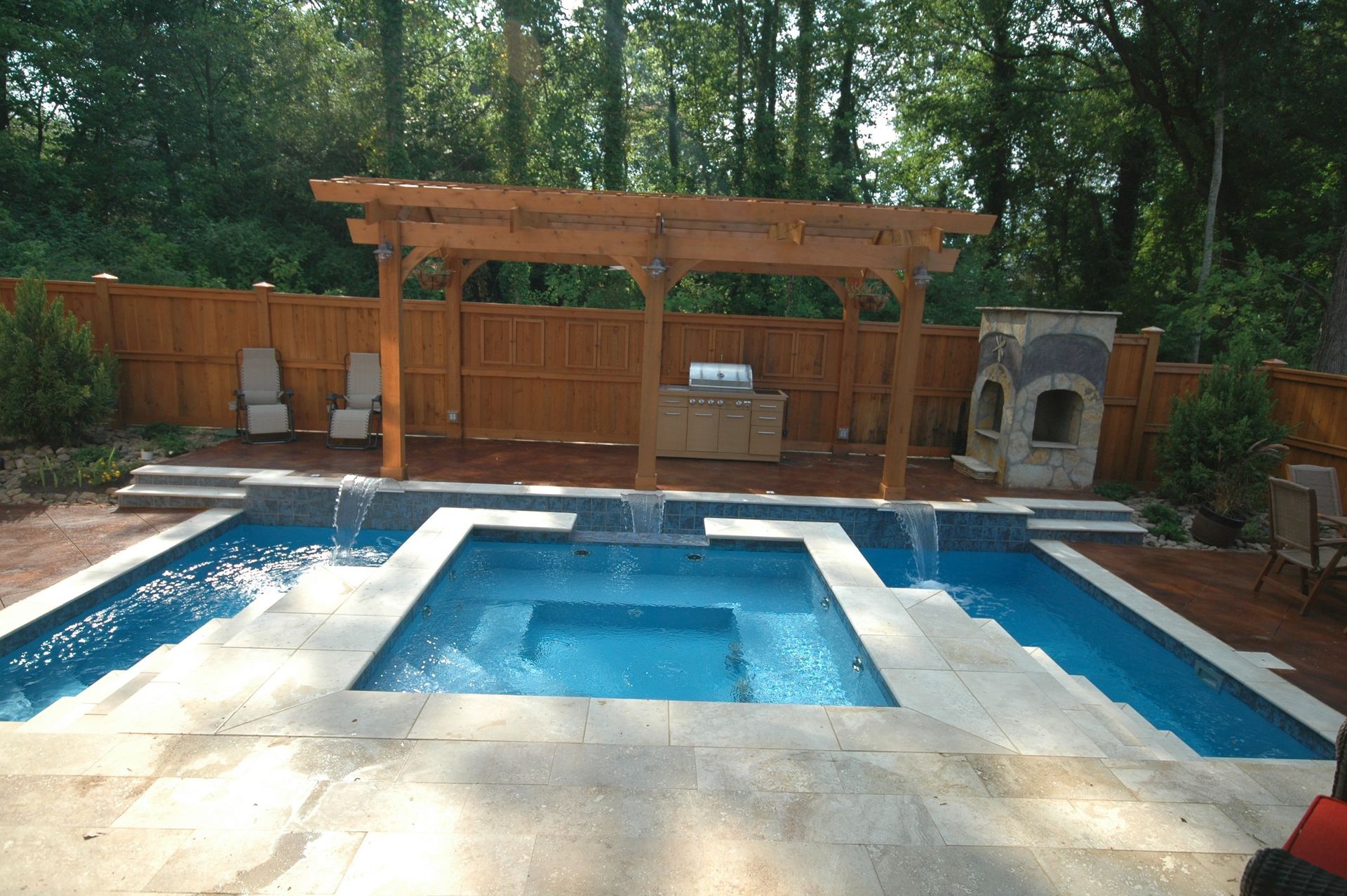

Contact Us Today to Schedule a Pool Maintenance or Repair Service!
Preparing your pool for summer involves much more than simply removing the cover and adding chlorine. Proper cleaning, equipment inspections, water balancing, and ongoing maintenance all play an important role in protecting your investment and ensuring a safe, enjoyable swimming environment throughout the season. At Johnson Pools Inc., we help homeowners keep their pools clean, functional, and ready for Florida’s long swim season with professional maintenance, repairs, vinyl liner replacements, and custom pool solutions tailored to every backyard.
As a trusted pool builder and pool company serving those throughout the Florida Panhandle, including Milton, Pace, Gulf Breeze, Fort Walton Beach, Navarre, Crestview, FL, as well as the surrounding communities of Foley, Orange Beach, and Spanish Fort, AL, Johnson Pools Inc. is committed to delivering quality craftsmanship and dependable service across Northwest Florida and Southern Alabama.
Whether you need seasonal pool opening services, routine maintenance, equipment repairs, or are planning a brand-new custom pool installation, our experienced team is here to help you enjoy a stress-free summer by the pool.